

I’ve always been drawn to masked traditions, in Slovenia and beyond. I still remember the first time I saw the Kurentovanje figures as a child — terrifying and magnetic at the same time. Pust was every kid’s favourite time of year, and I was no exception. My first real carnival memory comes from Pust in Cerknica, where a giant witch rides through town on a truck turned into a surreal moving stage.
But it wasn’t until I became a photographer that I started looking deeper. Behind the noise and spectacle lie stories, symbols, and centuries of continuity. In Slovenia, three masked traditions stand out: the world-famous Kurenti of northeastern Slovenia, the raw and intimate Drežnica Pust, and Laufarija in Cerkno. I’ve visited all of them, more than once. This year, I returned to Cerkno with my family so my boys could experience the Laufarji in person.
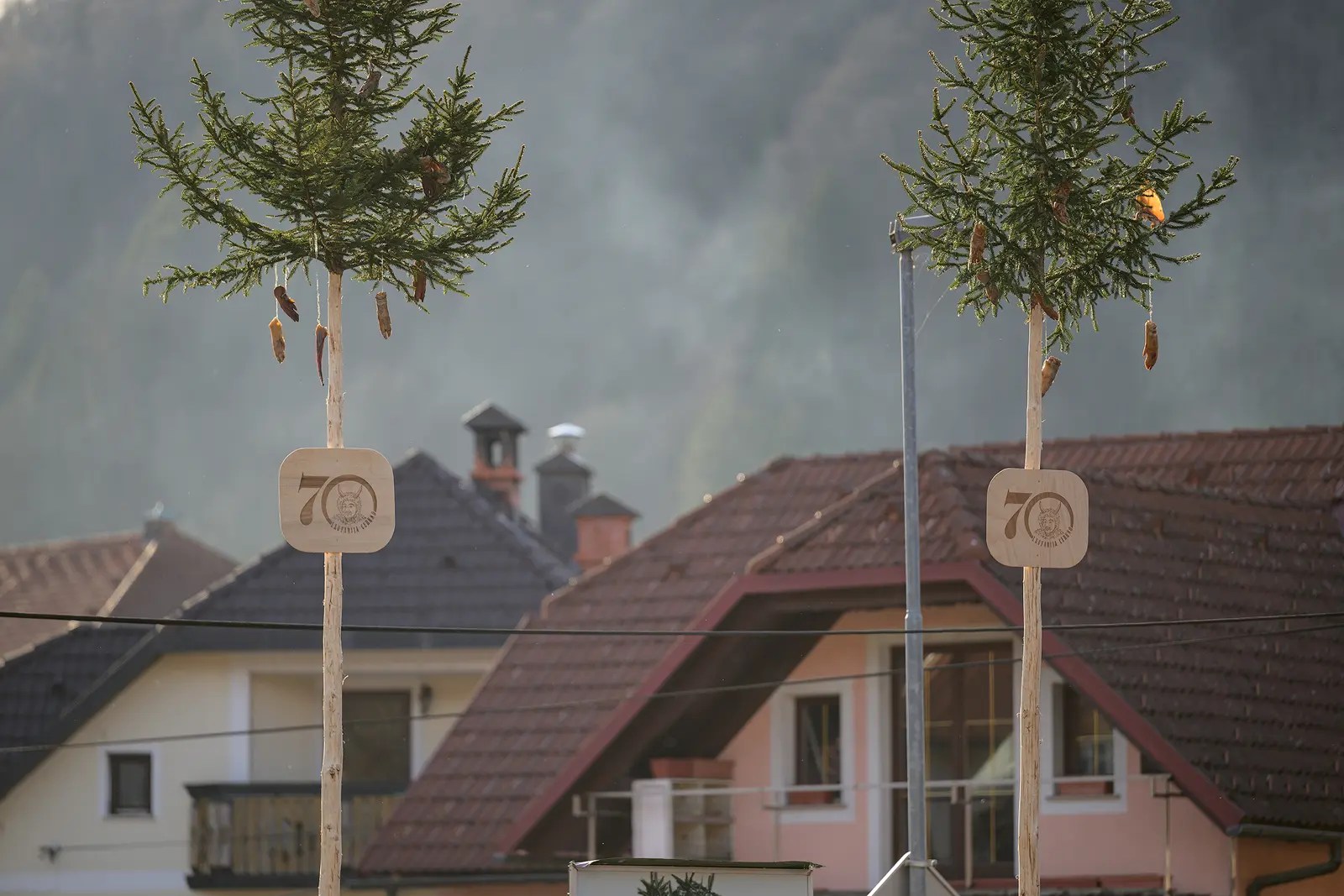
Laufarija is still relatively small — and that’s precisely its strength. It remains a predominantly local affair, rooted in community rather than spectacle. The focus is not on tourism, but on preserving symbolism, roles and continuity. This year marks the 70th anniversary of its modern revival, a reminder that traditions survive only when people actively protect them.
Photography wasn’t my main goal this time. I wanted to enjoy the atmosphere, share the experience with my family, and quietly explore the possibility of a future photography workshop. I still came home with a handful of images — spontaneous, unforced, and honest — which I’m sharing here.
Laufarija in Cerkno
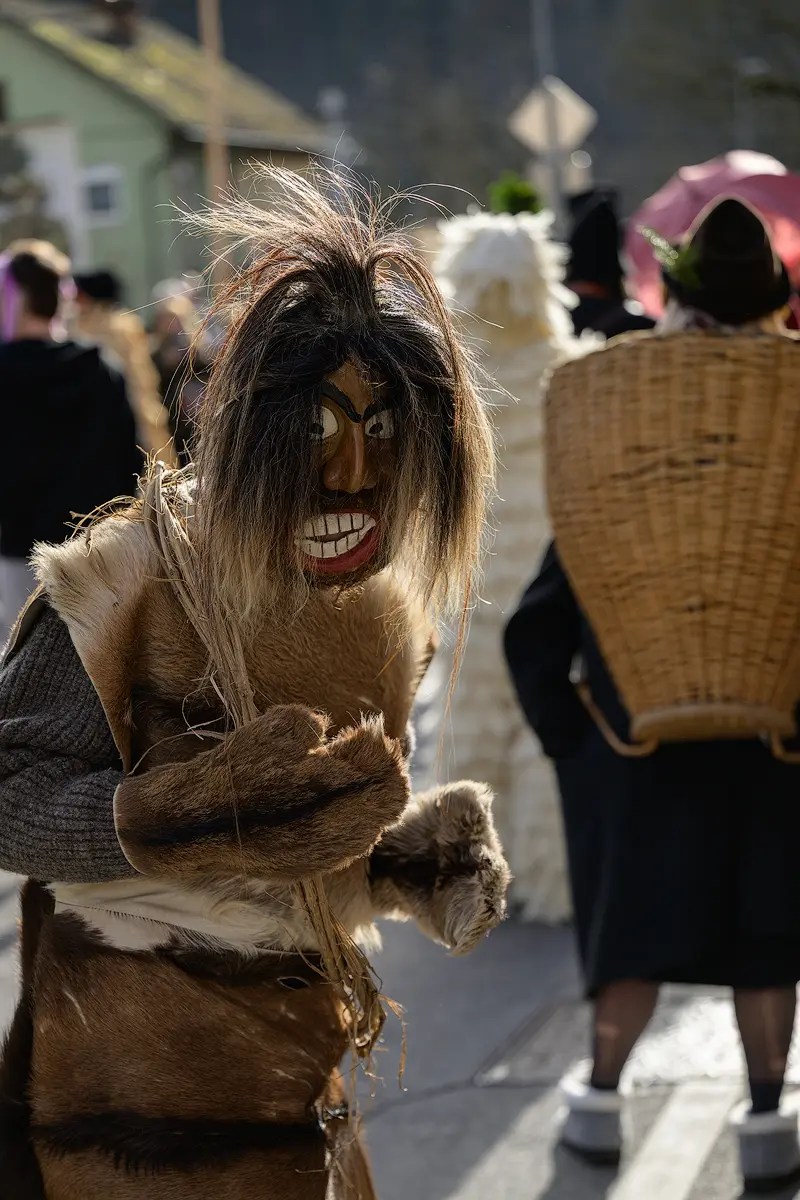
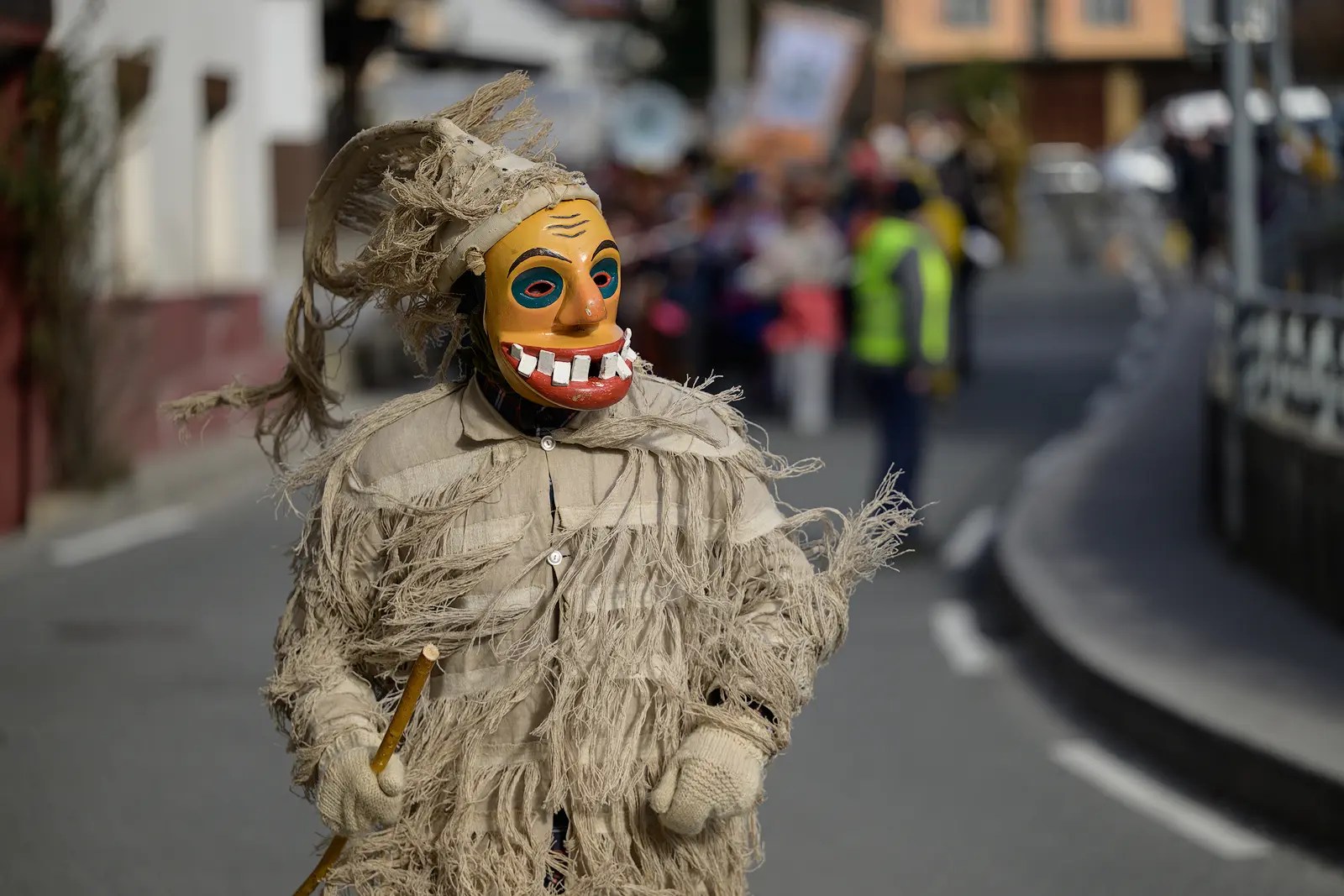
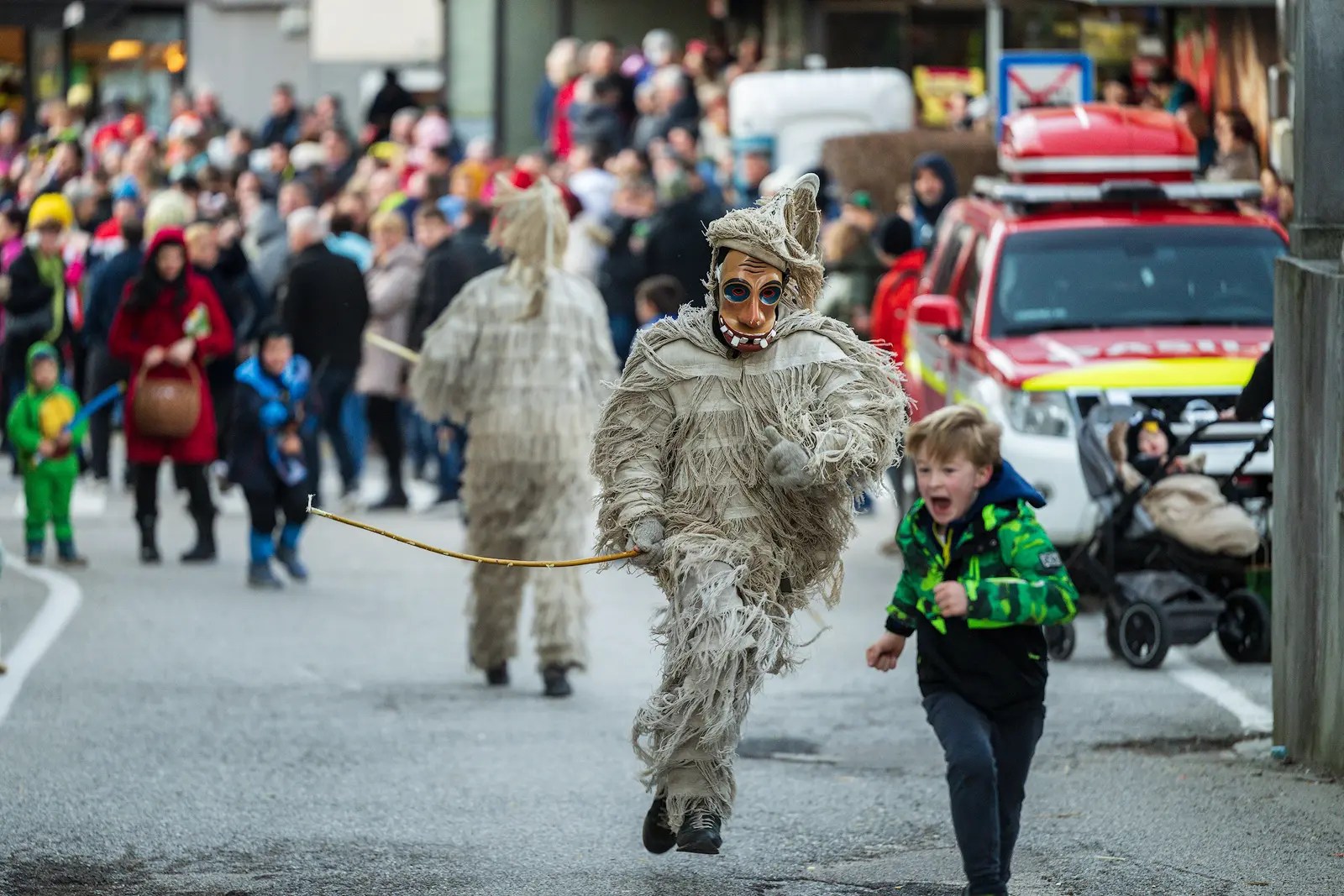
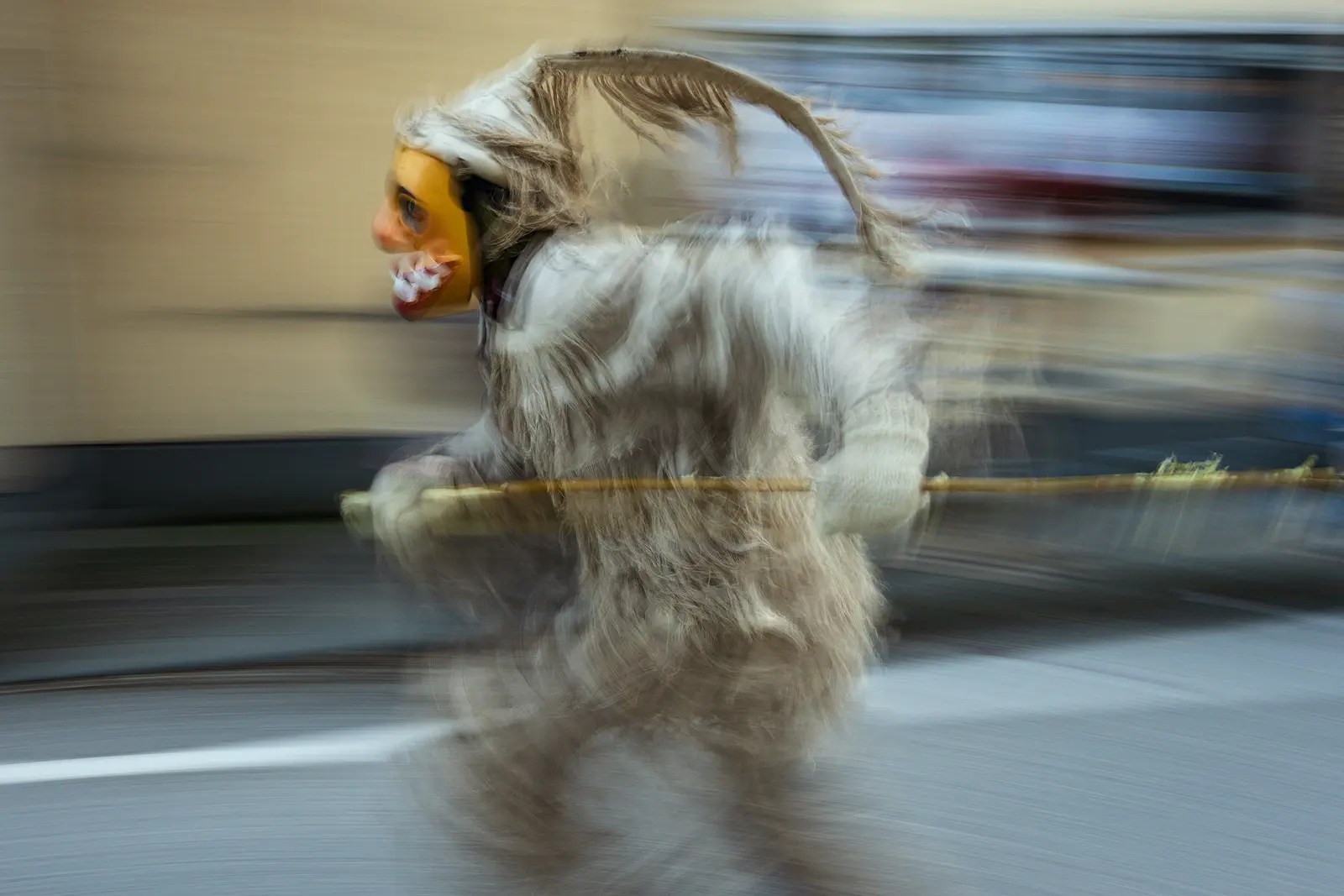
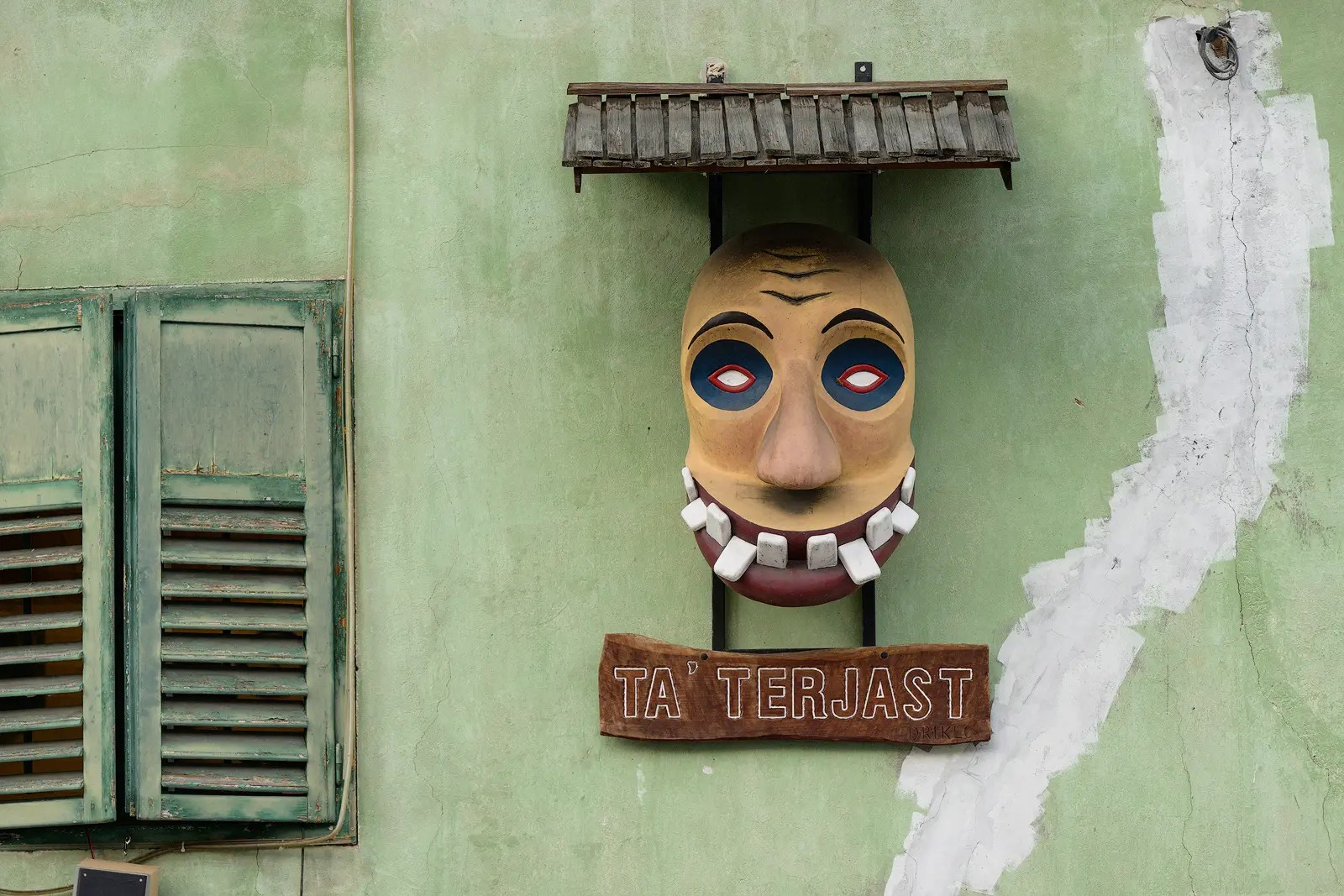
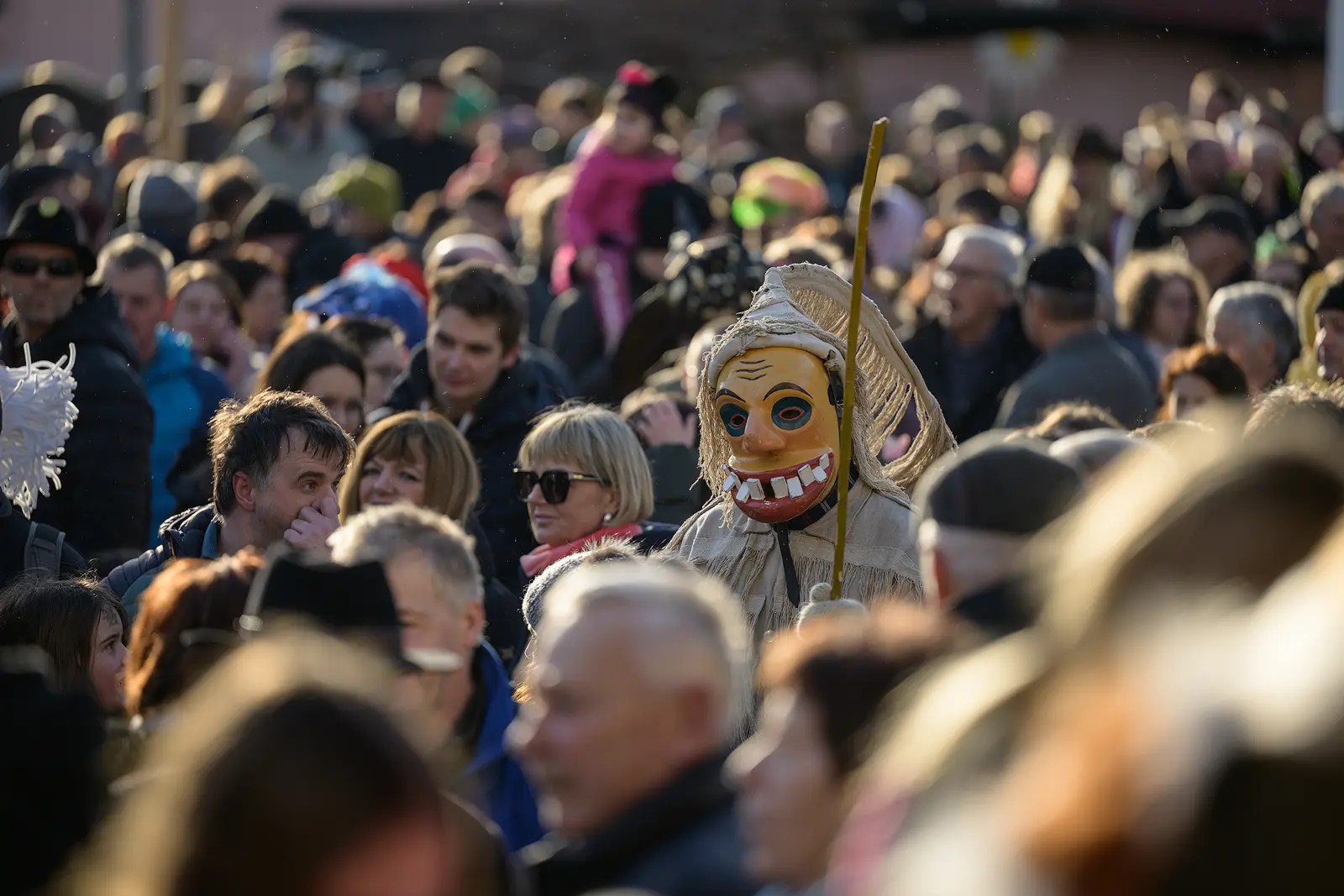
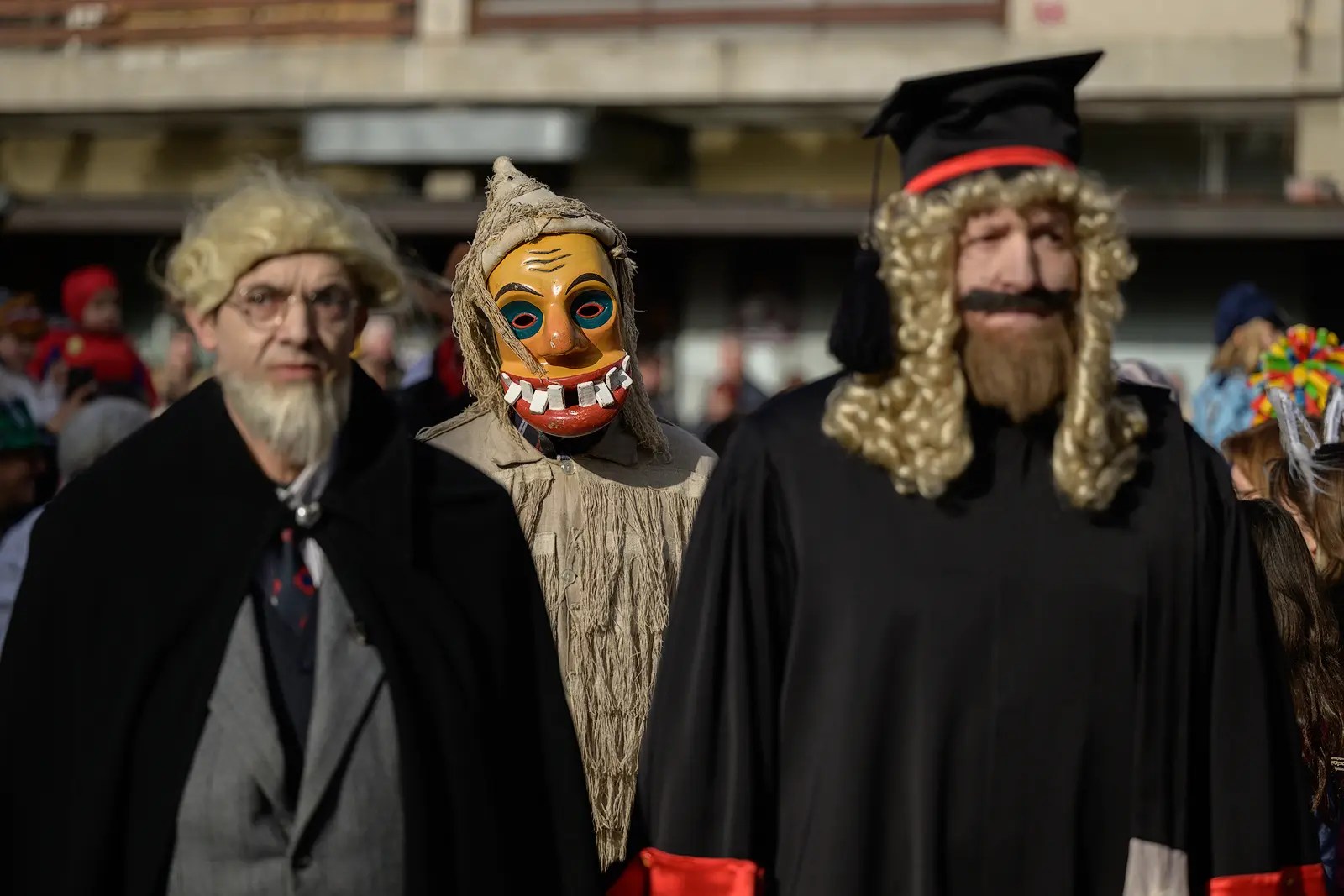
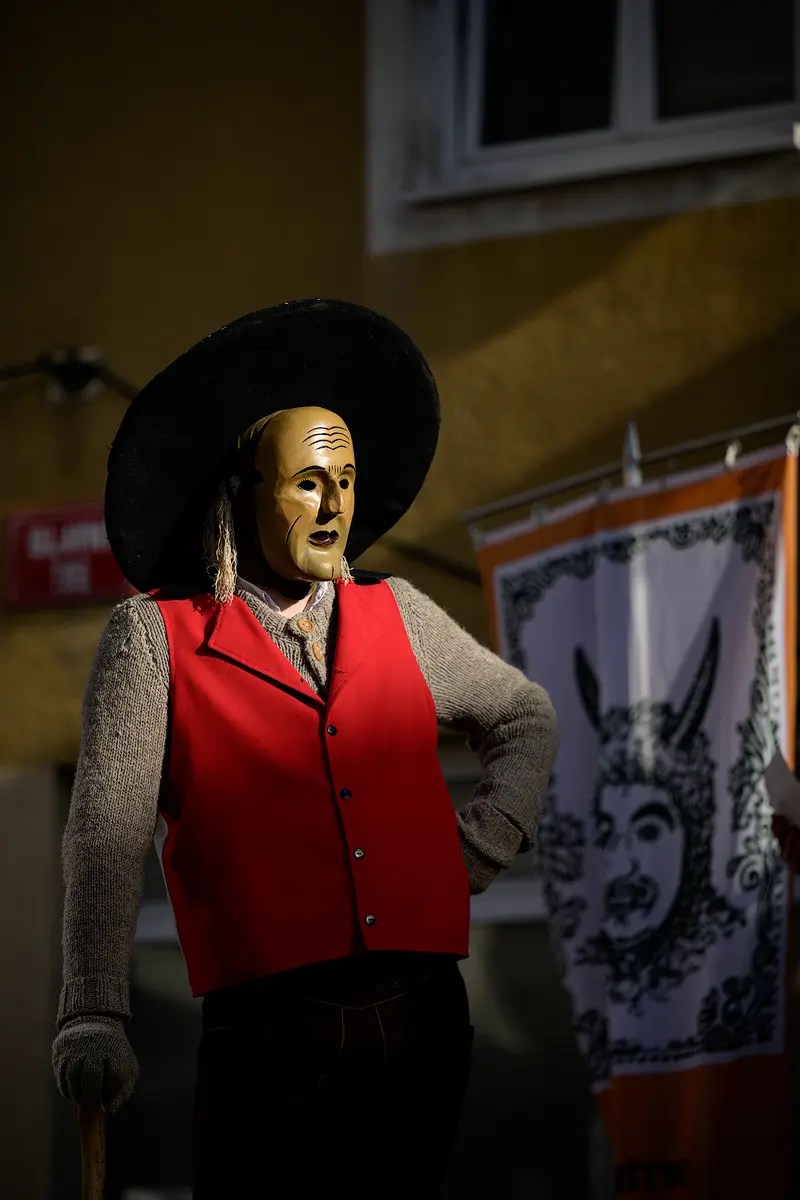
Unlike larger carnivals, Laufarija isn’t just a parade — it’s a structured folk system with clearly defined characters and ritual stages. The Laufarji are traditional figures, each with a name, mask, and symbolic role. Their masks are hand-carved from linden wood, expressive and often grotesque, and the costumes incorporate moss, straw, branches and fabric scraps. Nothing feels polished. Nothing feels staged. And that’s exactly why it works.
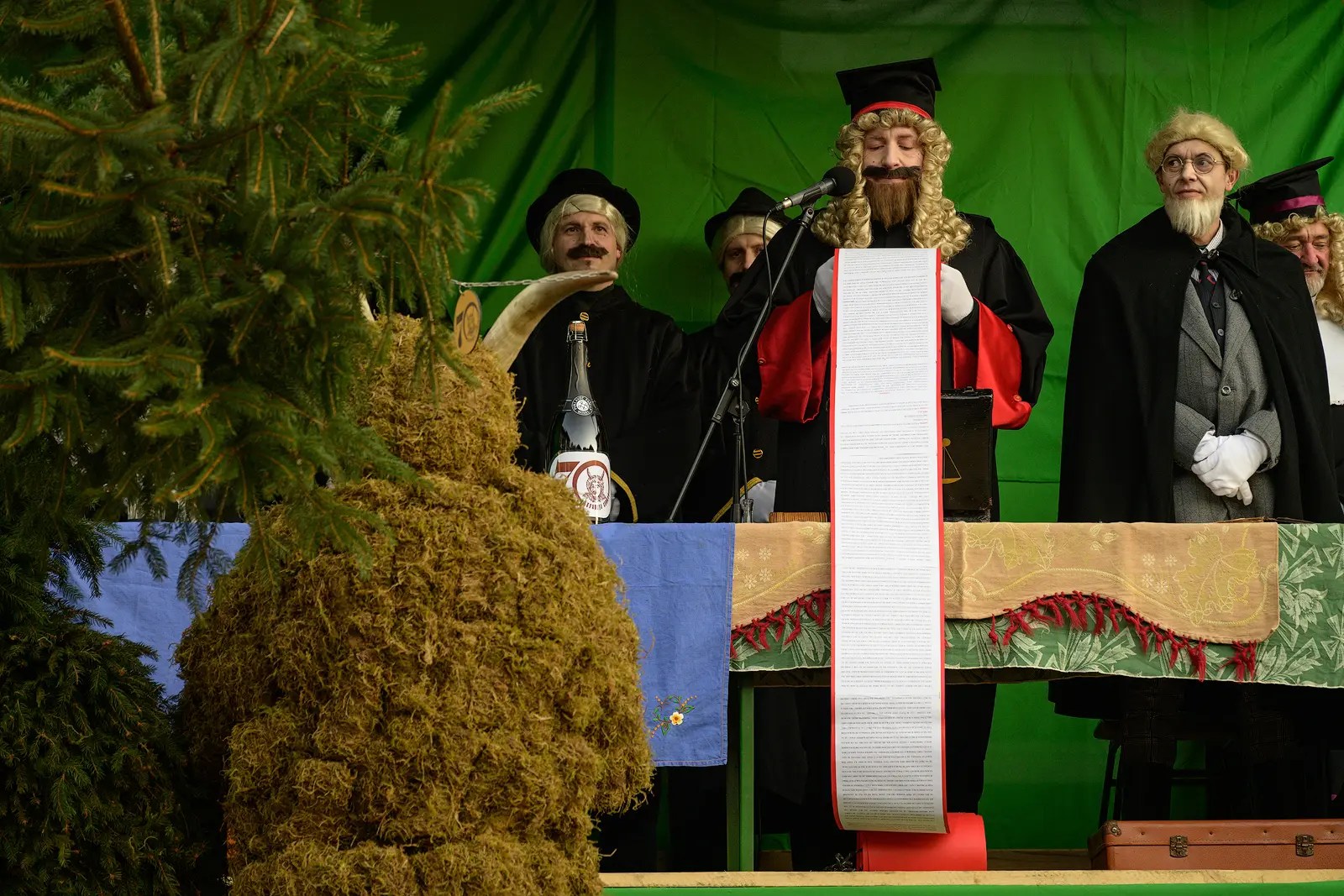
There are 25 traditional characters in the Laufarija cycle. Each appears at a specific time and place during the carnival season, following unwritten rules that locals take seriously. The central figure is Pust — the symbolic scapegoat blamed for the misfortunes of the past year. At the end of the season, Pust is publicly judged and executed, closing the ritual cycle and symbolically clearing the way for spring.
What sets Laufarija apart is its intimacy. The streets of Cerkno are narrow. You are never far from the masks. You see the wood grain in the carvings, the breath in the cold air, the interaction between performers and locals who know every character by heart. It doesn’t feel like a show for outsiders. It feels like you’ve stepped into something that belongs to the town.
For a photographer, that intimacy is powerful — but it also demands respect. These are not costumes worn for effect; they are inherited roles. You photograph differently when you understand that.
Laufarija in Cerkno – Photos




Conclusion
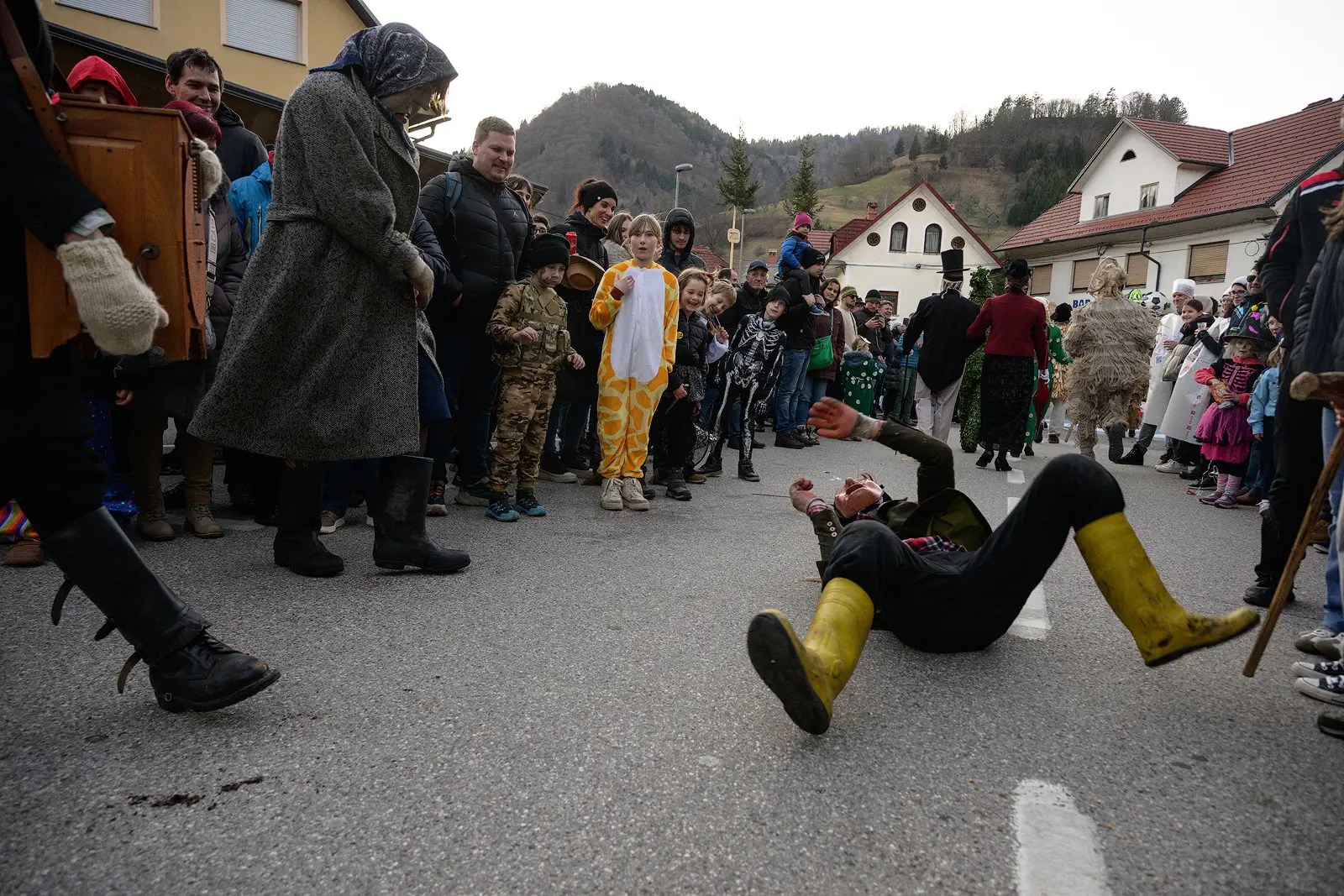
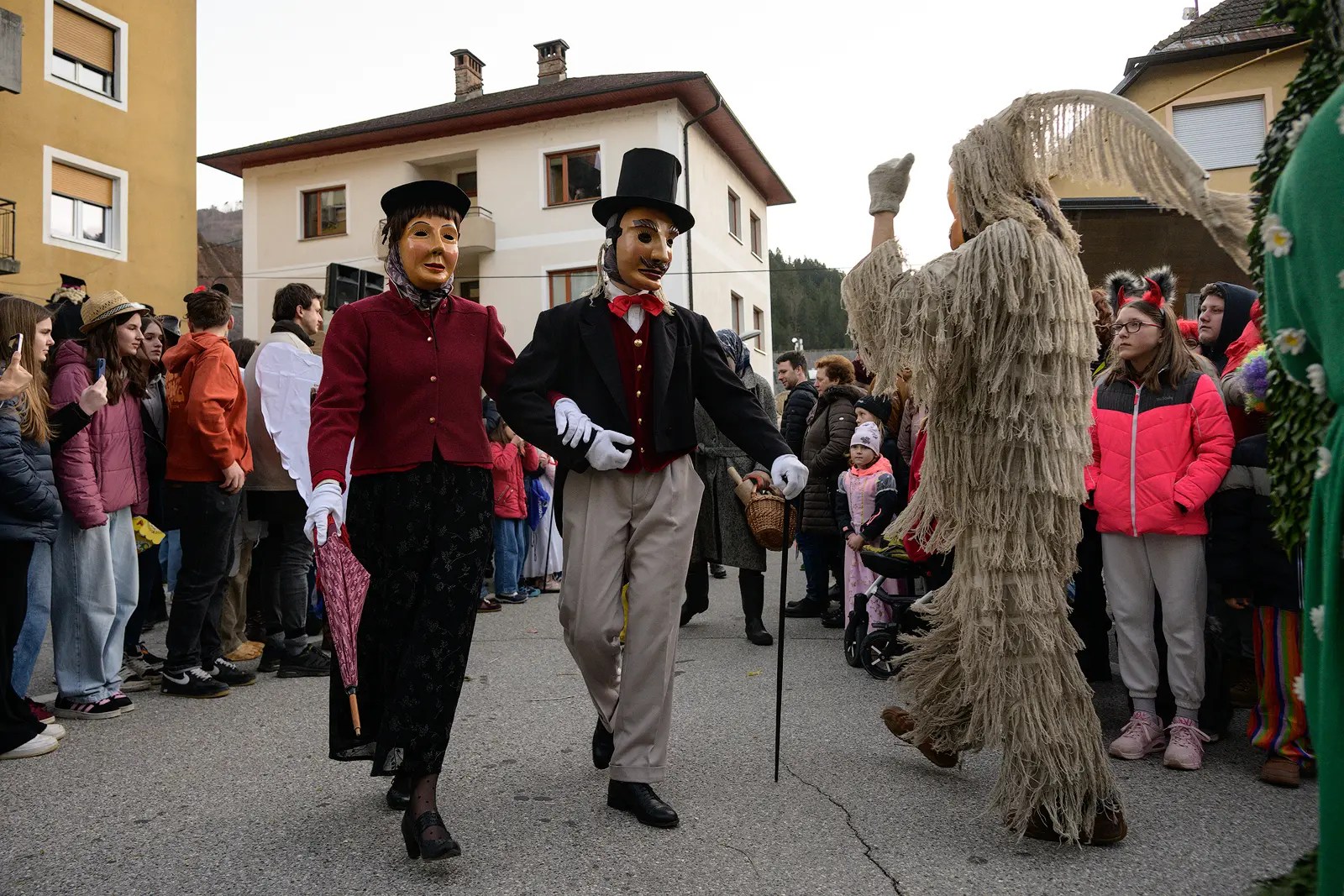
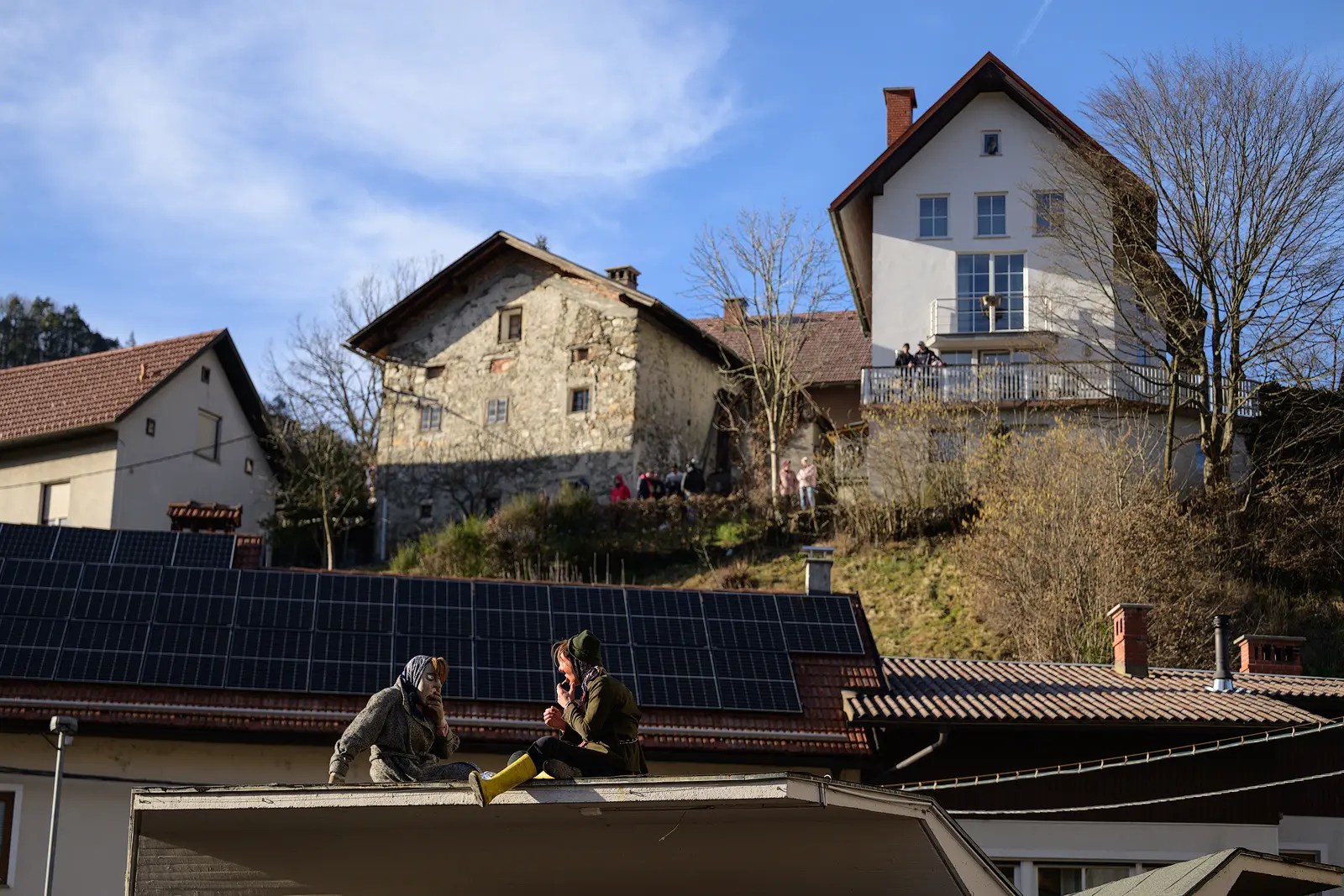
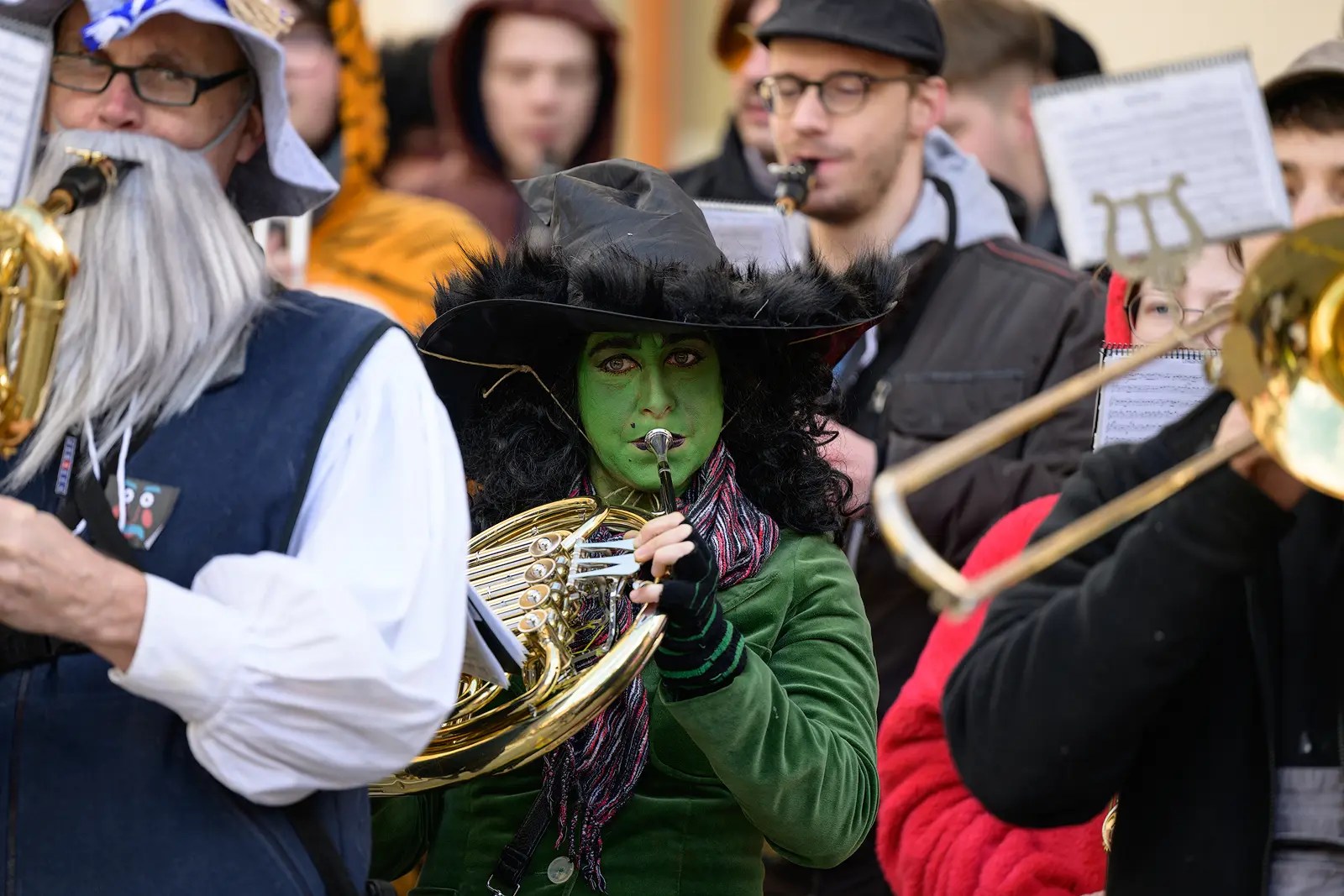
Laufarija in Cerkno is simply good fun. For photographers, it’s a playground of willing characters, strong portraits, action scenes and candid moments unfolding in tight streets and winter light. For families, it’s a day when everyone switches off from daily routines and just enjoys the atmosphere — noise, laughter, masks and all.
Over the years, I’ve followed masked traditions not only across Slovenia but also into Bulgaria. One of my most popular workshops is built around the powerful energy of the Surva Ancient Traditions. Next year, I’m bringing that same depth of access and storytelling home — to the legendary Kurentovanje in northeastern Slovenia. We’ll have exclusive behind-the-scenes access as well as privileged positioning at the main stage in Ptuj.
If you’re serious about photographing living traditions — not just observing them — this will be the one to join.


