
 (Credit: Amazon)
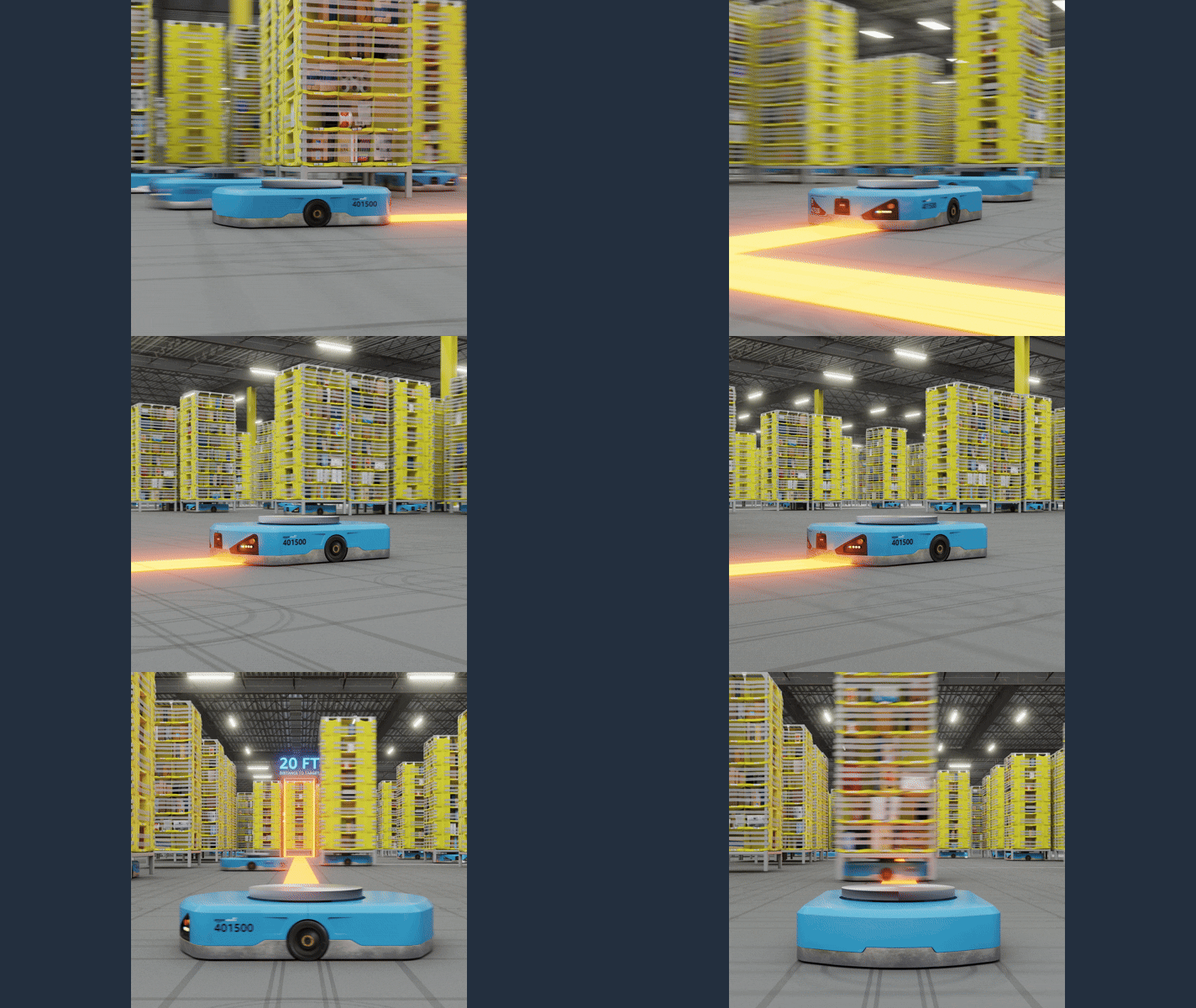
Amazon now has 1 million robots operating across its warehouses worldwide.
The company began testing robots at its facilities in 2012, starting with a single type of robot that could move inventory. Now, its fleet has nine types of robots that can accomplish various tasks, from finding items in the warehouses to bringing them to human employees for packaging and delivering them at outbound docks.
This brings Amazon's total number of robots closer to its total number of human workers. According to The Wall Street Journal, the e-commerce giant currently employs 1.56 million people, but robots help with nearly 75% of all global deliveries. The number of packages Amazon ships per employee each year has increased from 175 in 2015 to 3,870 in 2024.
However, more robot-enabled efficiency could translate to fewer jobs for humans. Last year, the average number of employees per facility was around 670, the lowest for Amazon in the last 16 years, according to the Journal.


With AI advancements, the number is only going to reduce in the coming years. "As we roll out more Generative AI and agents, it should change the way our work is done. We will need fewer people doing some of the jobs that are being done today, and more people doing other types of jobs," CEO Andy Jassy wrote in a memo to employees last month.
On Monday, Amazon also announced a new generative AI model that will make its robots more efficient. Called DeepFleet, the AI model will coordinate the movement of robots and reduce their travel time by 10% "to deliver packages to customers faster and at lower costs," said Scott Dresser, VP of Amazon Robotics.
Amazon is also rumored to be testing humanoid robots for doorstep delivery at a dedicated facility in San Francisco. These robots are expected to get on the back of a Rivian van and jump out to drop packages. The company's Prime Air drone service has also been making progress, recently adding the capability to deliver iPhones, Galaxy phones, AirPods, and more in less than 60 minutes in eligible areas.