

Google is following Apple and requiring app developers to self-report their data-collection policies in an easy-to-read format for users.
On Tuesday, the company announced a new "Data safety section" for app listings on the Google Play store. This means you’ll no longer need to hunt for an app's privacy policy page, many of which can be long and full of legal jargon.
Instead, the Data safety section is designed to answer how an app collects and shares user data in simple language. “Users will start seeing the Data safety section in Google Play today, and developers are required to complete this section for their apps by July 20th,” the company says.
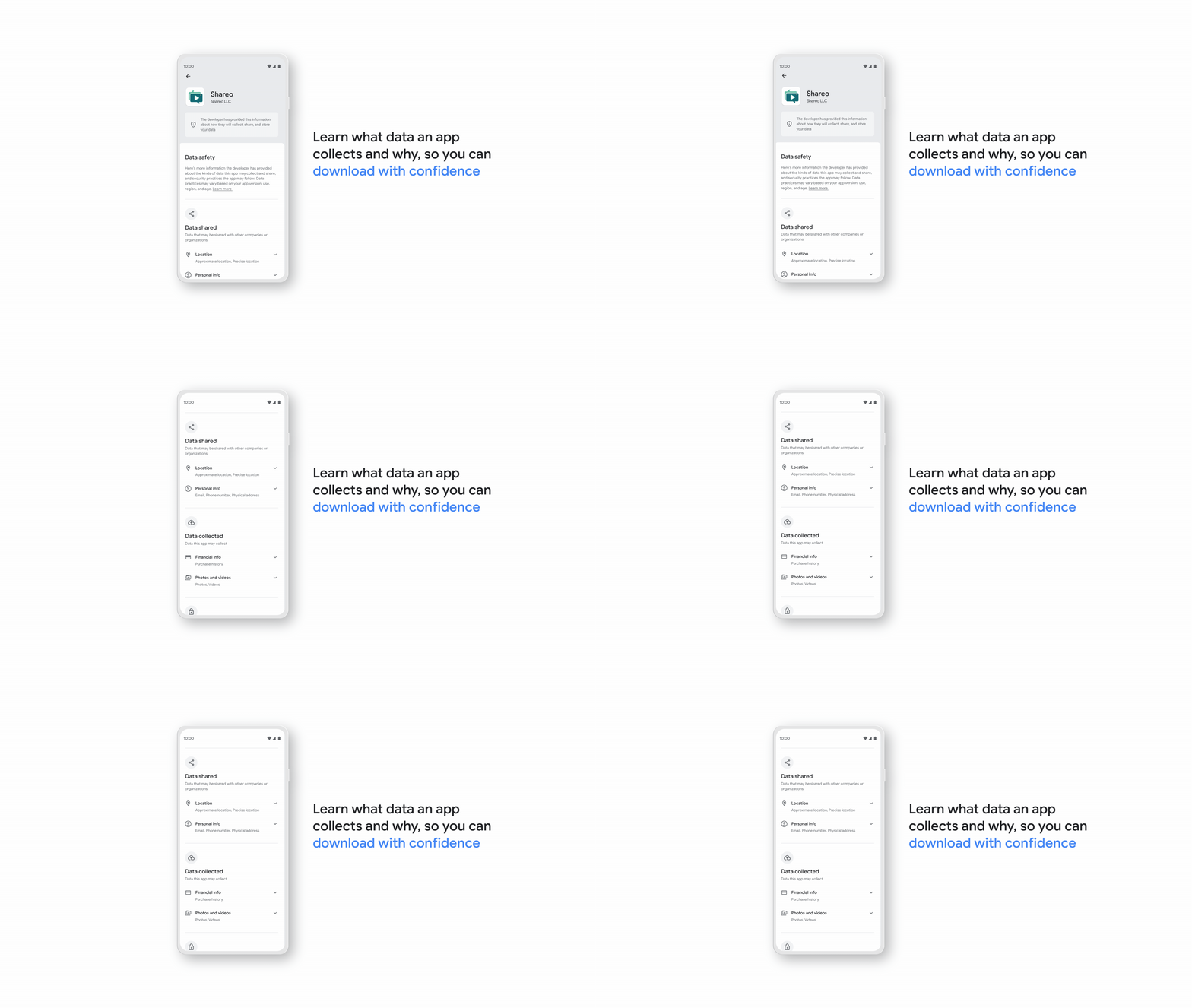
Google created the new Data safety section, citing consumer demand. Currently, when you install an app, the Android OS will detail what data permissions the software needs to operate. However, Google found that both users and app developers would like to see more context around the data usage.
“Users want to know for what purpose their data is being collected and whether the developer is sharing user data with third parties,” the company wrote. “In addition, users want to understand how app developers are securing user data after an app is downloaded.”


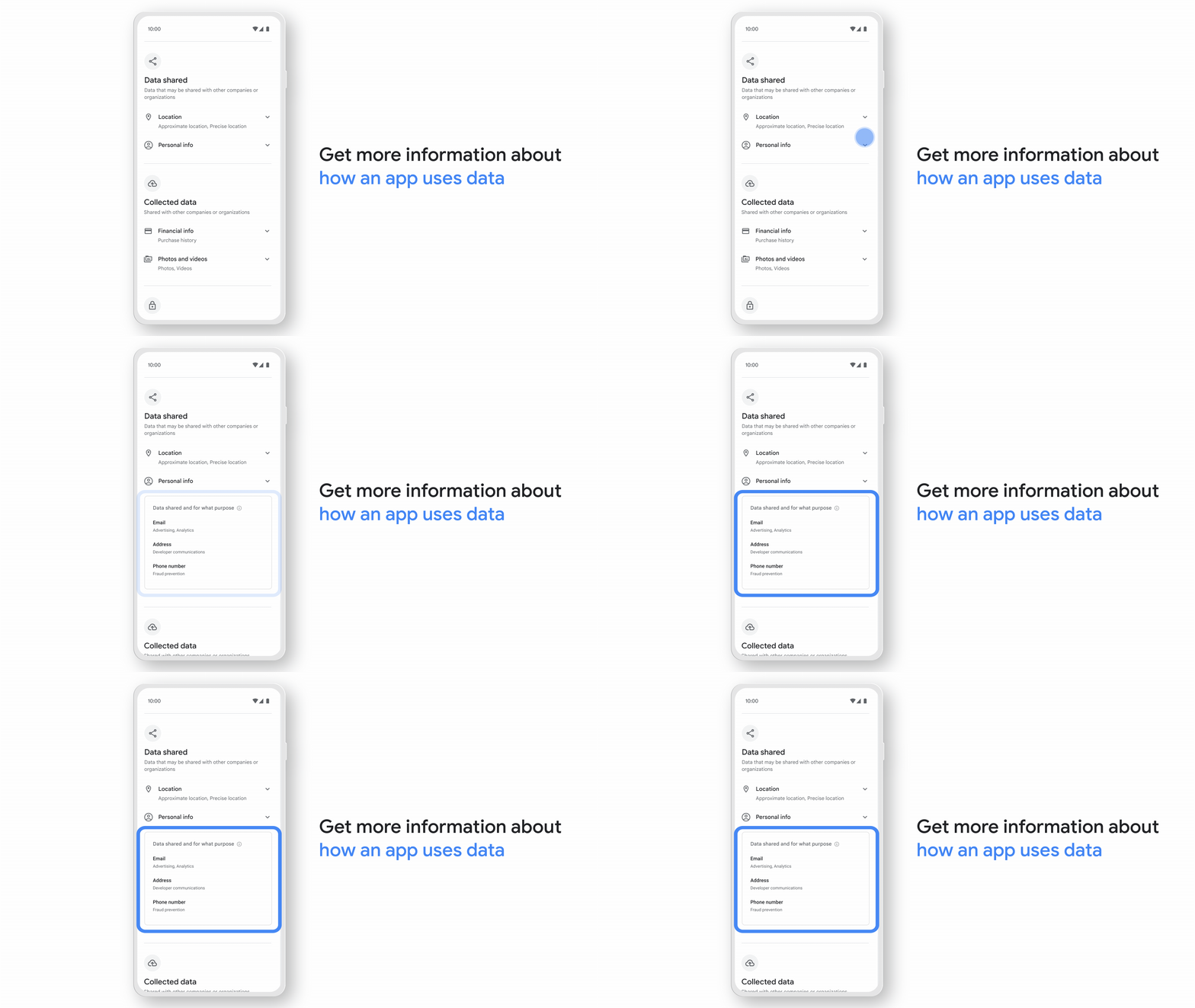
The resulting Data safety section is similar to Apple's "Privacy Nutrition Labels," which the company introduced in 2020. In Google’s case, the Data safety section will offer a summary of the app’s data policies, including whether any of the data collection is mandatory or optional.
Developers will also need to disclose the app’s security practices, such as whether data is encrypted in transit and if users can ask for data to be deleted. “As app developers update their functionality or change their data handling practices, they will show the latest in the apps' Data safety section,” the company added.
The new system may also help improve security on the Google Play store since it'll give consumers easy visibility into each app's approach to data collection. Presumably, shady apps that fail to comply will also be delisted from the app store.
However, the new Data safety section won’t necessarily cover every way data can be shared or collected through an app. "In some cases, developers do not need to disclose data as 'shared' even if it's technically transferred to another party (for example, when you give your consent to transfer the data after the app explains how it will use the data, or when the data is shared with a developer's service provider)," Google's support page for the Data safety section notes.
Google also doesn’t consider data collected if it was done through end-to-end encryption or if the app only pulled the data on your phone, but never transmitted it to a server. “For example, if a weather app sends your location off your device to get the current weather at your location, but the app only uses your location data in memory and does not store the data for longer than necessary to provide the weather,” the company said.